If you own an office building in Perth County, you operate in a market that behaves differently from Toronto or Kitchener. Fewer transactions, a diverse tenant base, and real constraints like parking and servicing all shape value in quiet but decisive ways. As a commercial appraiser working across Stratford, St. Marys, Listowel, Mitchell, and the townships, I find office valuations here require more judgement and more context than algorithmic averages. This guide unpacks what drives value locally, where owners can add leverage, and how to prepare for a credible commercial real estate appraisal in Perth County.
What makes the Perth County office market unique
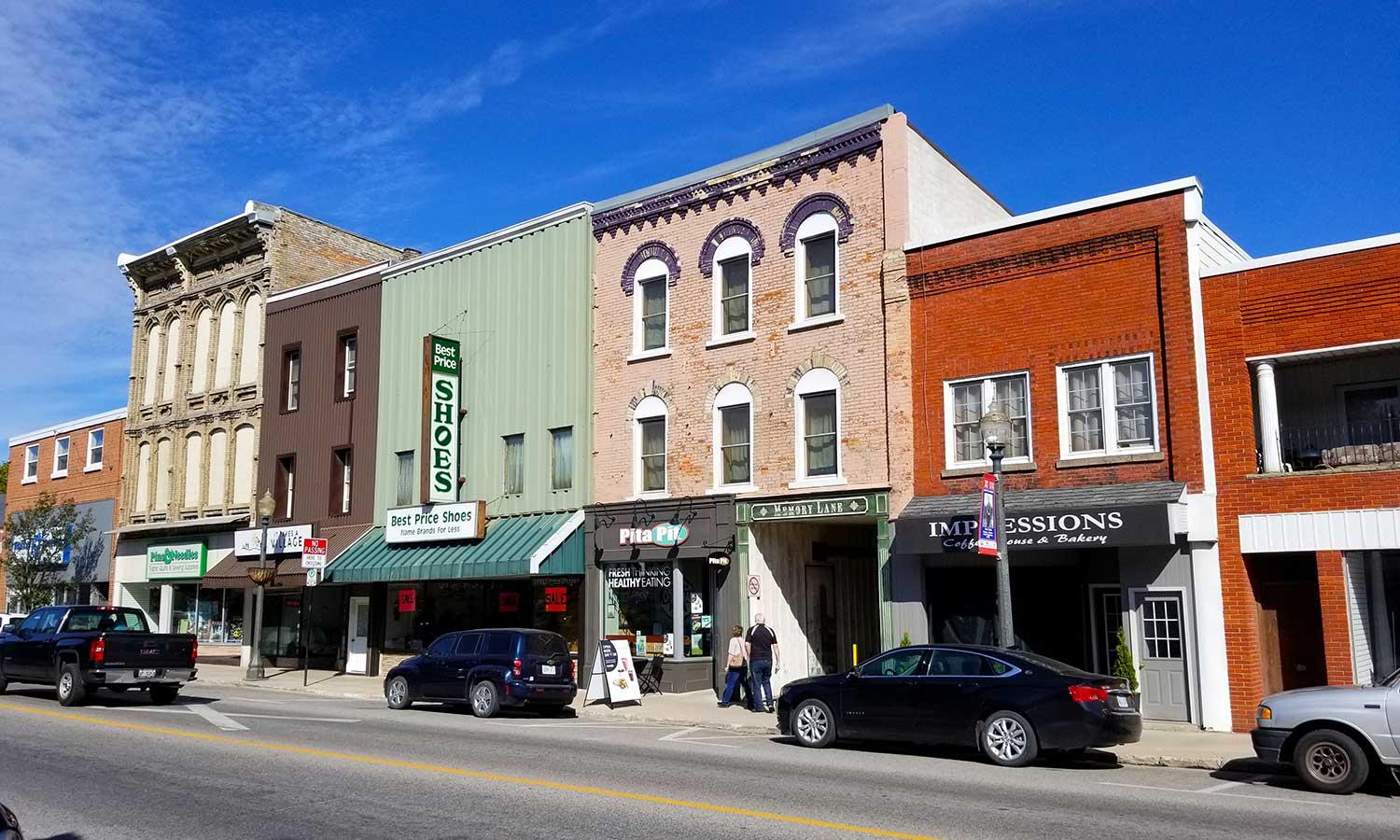
Office product in the county spans prewar brick walk-ups on downtown main streets, low-rise suburban buildings edging arterial roads, medical and dental offices with heavy plumbing, and small professional condos carved out of mixed-use properties. Government occupiers and health services account for a meaningful slice of stabilized demand. Local accountants, lawyers, engineering consultants, and insurance brokerages fill out the private side. Co-working exists, but in smaller footprints and usually as part of a larger office suite rather than stand-alone facilities.
Transaction volume is thin, especially for larger assets over 15,000 square feet. One sale can set the tone for a year. That makes evidence gathering harder and puts more weight on income fundamentals and cost context. Vacancy moves in waves as single tenants expand or contract. A move by a regional health network or a school board can push vacancy up on one side of town while another street tightens because a law firm expands. In short, micro-location matters. Street-to-street differences in visibility, parking, and walkability show up quickly in rent and absorption.
Municipal servicing can be decisive. In-town buildings on municipal water and sanitary generally trade at lower cap rates than rural offices on private services. Lenders view private septic and wells as incremental risk, so underwriting tightens. Distance to Highway 7/8 or 401 access also shades value through tenant appeal and logistics for regional firms.
The three valuation lenses, and how much weight they carry here
Commercial appraisal in Perth County almost always draws on the income approach, with support from the sales comparison approach. The cost approach tends to carry limited weight for older or heavily renovated buildings but can be powerful for newer medical or purpose-built offices with specialized improvements.
Income approach. This is the backbone for stabilized office assets. It focuses on achievable net operating income under typical market conditions, then capitalizes that income using a market-derived cap rate or applies a discounted cash flow if lease rollovers are lumpy. In thin markets, selecting a stabilized vacancy and credit loss assumption is not rote. I often stabilize vacancies in the 5 to 8 percent range for well-located, multi-tenant in-town buildings, adjusting upward for single-tenant exposure, limited parking, or tertiary locations. Medical offices with sticky tenancies might justify a lower stabilization rate if the history supports it.
Sales comparison approach. In Perth County, pure office trades are limited. I usually widen the lens to include relevant sales from Woodstock, Guelph, Kitchener-Waterloo, and London, then adjust for location, liquidity, and size. That expansion introduces more adjustments, but it can anchor cap rates and rent norms, especially for contemporary construction where build quality is comparable across the region.
Cost approach. For newer builds, replacement cost new less depreciation can bracket value. Soft costs in this region typically add 20 to 30 percent to hard construction costs, and site work can swing outcomes if soils or stormwater management are complex. External obsolescence, such as location disadvantage or functional excess parking, must be handled carefully to avoid overstating cost-driven value.
Rents, recoveries, and what really prices in the lease
Two office buildings with the same headline net rent can deliver very different value because of what sits inside operating expenses and capital obligations. An appraiser looks through the lease to see who pays for what, and how predictable those costs are.
Most suburban and professional offices here run on net or semi-gross leases. On a fully net lease, tenants reimburse property taxes, building insurance, and common area maintenance. But line items within maintenance vary. Snow removal, landscaping, and waste are straightforward. HVAC is not. If your leases push capital HVAC replacement onto tenants, that is unusual in this market and can backfire at renewal. More typical is a base building responsibility for major components, with tenants covering filters and routine servicing. An appraiser will reflect the realistic burden on the owner through a reserve allowance, even if the lease language is aggressive.
For downtown walk-ups, gross or semi-gross structures are common, often with a base year stop for increases in taxes and insurance. In these cases, an appraisal reconstructs a net figure by deducting stabilized expenses and adding back recoveries. One owner’s under-maintenance can make their T12 look strong for a year, but the market will not capitalize deferred repairs forever. Expect an appraiser to normalize expenses and set a reserve based on age and condition.
Typical net rents for professional office in Perth County often sit in a broad band, roughly from the low teens to the low twenties per square foot, depending on building quality, location, parking, and tenant improvements. Medical and dental can be at the upper end, sometimes above, because of plumbing, suction, and accessibility fit-out. Executive offices on second floors without elevators trend toward the lower end unless the space is exceptional.
Cap rates in a secondary market context
Cap rates for stabilized, multi-tenant office in Perth County frequently present higher than core urban markets to reflect smaller buyer pools and perceived liquidity risk. Over the last few years, I have seen well-leased, modern, in-town buildings transact or appraise in a rough range from the mid 6s to around 8 percent, with outliers on either side for special situations. Older buildings with functional issues, no elevator, or soft leasing can slip into the high 7s to 9 percent. Single-tenant assets with short remaining terms can jump even higher unless the covenant is government or near-government.
A cap rate is not just “market.” It is a bundle of risk adjustments: lease rollover timing, tenant diversification, credit quality, location resilience, building age, and capital requirements. If two buildings each show a 7 percent cap on year one, the one with staggered expiries, elevator access, new roof, and ample parking will trade tighter than the one with a single 5-year lease and a 20-year-old RTU fleet.
Anecdotes from the field
A Stratford owner once asked why their cap rate was higher than a Kitchener comp they had clipped from a broker’s flyer. On inspection, the Stratford building had beautiful brick and high ceilings, but parking was tight and there was no elevator. The anchor tenant was an insurance brokerage with a 3-year remaining term and two options. The Kitchener comp sat on a visible corner, had structured parking, and the anchor had 11 years remaining with annual bumps. Same rent level, different resale risk. After resetting expectations around rollover and functionality, the owner shifted strategy, funded an elevator over twelve months, and secured a 7-year renewal at modestly higher net rent. The next appraisal reflected a tighter cap rate and a stronger stabilized NOI. The change in value more than covered the elevator spend.
Elsewhere in the county, a small medical building on a township road struggled to sell because lenders balked at private services and limited comparable data. The appraised value relied more heavily on the income approach with a vacancy cushion and a reserve for septic replacement based on age. The ultimate buyer pool was dominated by private investors familiar with rural assets rather than institutional lenders. Pricing cleared once the vendor offered a small vendor take-back, a common tool in lower-liquidity pockets.
Sales evidence, and how to make it work for you
Finding perfect office comps inside Perth County is rare. Good practice blends near matches locally with carefully adjusted data from adjacent markets. I prefer to weight comps by how buyers for your property would think. If your building will appeal to local professional landlords who also shop Woodstock or St. Thomas, those markets become relevant. If your asset is more specialized medical with lab fit-out, I may reach to Guelph or London where similar product trades more often. The art is in transparent, paired adjustments: location, age, parking ratio, elevator presence, tenant covenant, lease term remaining, and suite finish.
Owners help this process by documenting tenant improvements and their useful lives. A 3,000 square foot dental fit-out completed two years ago for 350 dollars per square foot is not the same as a cosmetic paint and carpet refresh. Buyers recognize sunk cost and tenant stickiness, and appraisers can reflect that via rent support, lower downtime, or more favourable renewal assumptions.
What affects expenses, and why normalization matters
Snow and ice control can swing operating costs by a dollar or more per square foot in a heavy winter. Insurance spiked for many office owners in recent years, then plateaued. Electricity rates and gas costs vary with system type and control logic. Two buildings with identical envelopes can show different utility costs because one has properly zoned HVAC with programmable controls and the other runs single-zone RTUs around the clock. When I normalize, I look for three-year averages, weather-adjust where appropriate, and flag anomalies like one-off roof repairs that do not recur annually.
Capital planning also counts. Roof membranes often last 15 to 20 years, RTUs 15 to 18, elevators can require substantial modernizations in year 20 to 25. A reserve of 0.50 to 1.00 dollars per square foot per year can be reasonable for a mid-aged office if the roof and HVAC are mid-life, but older buildings may deserve higher. Under-reserving boosts apparent NOI but will not survive lender scrutiny.
Zoning, access, and the quiet value of parking
Municipal zoning across Stratford, St. Marys, and the townships provides various paths for office use, often with conditions on parking counts and access. Downtown zones are generally supportive of professional services but may restrict ground-floor office in certain retail cores to maintain street vitality. That tension can affect the best permitted use and thus valuation. In suburban sites, driveways on provincially controlled roads can limit signage and require permits for access modifications. If your site is near a former service station or dry cleaner, an appraiser will expect environmental diligence. Phase I Environmental Site Assessments are standard with many lenders, and the presence of historical auto uses or dry cleaning increases the likelihood of a Phase II request even if your building is clean.
Parking quietly drives rent. A medical clinic often needs 4 to 5 stalls per 1,000 square feet. Historic downtown buildings with 1 to 2 stalls per 1,000 square feet must rely on street or municipal lots, which depresses achievable rent for high-intensity users but may be adequate for accountants and lawyers. Clearly marking who controls which stalls, and documenting shared agreements, prevents value leakage at sale.
Accessibility and code compliance
Ontario’s AODA requirements and the Building Code shape tenant choice. An upper-floor suite without elevator access limits your tenant pool, which increases leasing downtime. I often see owners invest in platform lifts or full elevators not because of a legal requirement for an existing building, but because marketability demands it. The payback is not immediate, but lease-up improves and renewal prospects rise. Barrier-free washrooms, lever handles, and suitable corridor widths may be modest costs in a renovation that deliver real leasing traction.
Two compact valuation walk-throughs
Example A, stabilized professional https://landenljez701.fotosdefrases.com/commercial-appraisal-perth-county-accurate-valuations-for-better-business-outcomes office in Stratford. A 10,000 square foot, two-storey building, elevator-served, with five tenants. Market net rents range from 16 to 20 dollars per square foot. The current rent roll averages 18 net with staggered expiries. Recovered expenses sit at 8.50 per square foot, aligned with market. Stabilized vacancy and credit loss at 6 percent. A reserve of 0.65 per square foot covers upcoming HVAC replacements. Effective gross income lands near 169,200 dollars after vacancy. Operating expenses net to the landlord, including reserve and non-recoverables, at about 0.40 per square foot, or 4,000 dollars total, given strong recoveries. The resulting NOI is roughly 165,000 dollars. Given quality, tenant mix, and location, a 6.75 to 7.25 percent cap rate range might be defensible. That implies a value band around 2.28 to 2.44 million dollars. Move the cap rate by 50 basis points or lose a key tenant and the value shifts quickly, which underscores how lease management is a value lever.
Example B, mixed medical and general office in St. Marys. A 4,000 square foot single-storey building with surface parking, private septic, municipal water. Two tenants, a dental clinic and a physio practice. Dental pays 24 net with 7 years remaining, physio pays 18 net with 2 years remaining. Recoveries are full net. Stabilized vacancy at 5 percent given medical stickiness, but a higher reserve at 0.85 per square foot due to septic age. Effective gross income after vacancy approximates 80,800 dollars. Minimal landlord expenses plus reserves leave an NOI near 77,400 dollars. Private services and small size may push cap expectations higher, perhaps 7.5 to 8.25 percent. That yields about 0.94 to 1.03 million dollars. Extending the physio lease to 5 years could plausibly tighten the cap rate and lift value into the upper end of the range.
These examples simplify, yet they mirror the choices owners face: invest in building systems, secure longer terms, and document recoveries clearly to compress perceived risk.
Preparing for a commercial property appraisal in Perth County
Clarity and completeness save time and often yield better valuations because risk discounts shrink when data is strong. When engaging a commercial appraiser in Perth County, assemble a concise, accurate package that answers standard underwriting questions.
- Current rent roll with start and expiry dates, option details, and any free rent or inducements Copies of all leases, amendments, and a summary of recoveries and caps, if any Trailing 24 to 36 months of operating statements with utility breakdowns, plus the current year-to-date A list of capital projects completed in the last five years with costs and dates, and any planned projects with budgets Site plan and parking count, floor plans with suite areas, and notes on servicing type, zoning, and any environmental reports
Owners sometimes worry that disclosing upcoming capital needs will depress value. In reality, experienced buyers and lenders estimate those items anyway. Transparent documentation reduces uncertainty premiums.
Common pitfalls that drag value, and fixes that work
- Underestimating lease-up time. In a small market, backfilling 2,000 square feet can take months, not weeks. Proactively build a pipeline by marketing 6 to 9 months before expiry. Letting HVAC age in silence. Two units failing in January will lead to rent credits and emergency pricing. Replace in shoulder seasons with competitive bids and keep maintenance logs for buyers. Ignoring accessibility. A missing elevator or non-compliant washroom narrows your tenant pool and weakens renewal leverage. Target the most value-dense fixes first. Vague parking rights. If tenants assume stalls that are not documented, disputes follow. Stripe, sign, and write it down. Loose recovery language. Nonspecific clauses spawn arguments at reconciliation. Define what is recoverable, how it is allocated, and whether caps exclude uncontrollables.
Taxes, assessments, and appeals
Property taxes form a large piece of office operating costs. If your assessment seems out of step with achievable rents or with similar buildings, ask an appraiser to run a sanity check using income and market comparables. A well-supported position, grounded in your leases and normalized expenses, can make an assessment appeal credible. Timing matters. In reassessment years, early review gives you options before bills land.
Financing and valuation alignment
Local lenders understand the county’s liquidity profile and often give weight to in-place income quality over long-shot upside. Appraisals that present supportable market rent, sensible vacancy, and realistic reserves tend to sail through credit. If your business plan depends on lease-up or rent growth beyond current levels, be prepared with signed offers or at least letters of intent, and budgeted tenant inducements. Vendor take-back financing can bridge valuation gaps for certain buyers, but it also signals to the market that liquidity is thinner, which can raise cap expectations. There is no one right answer, only trade-offs. Match your financing structure to your likely buyer profile.
ESG and operating performance
Energy improvements pencil out faster in colder climates and smaller buildings than many owners expect. Simple steps like networked thermostats and better zoning often shave 10 to 15 percent off heating costs. LED retrofits usually pay back in one to three years. Documenting these changes helps an appraiser justify lower normalized utilities and tighter reserves around mechanicals. Tenants notice comfortable, consistent temperatures and good lighting. Comfort reduces churn, which speaks directly to stabilized vacancy and, by extension, value.
When to call for commercial appraisal services in Perth County
Owners commission a commercial appraisal in Perth County for refinancing, sale preparation, estate planning, partnership buyouts, expropriation impacts, and sometimes for tax appeals. The best time is not the week you need the number, but when you begin to plan a capital decision. Early insight on rent expectations, cap rates, and buyer behavior lets you sequence improvements and lease negotiations to lift value before you fix the price in a transaction. If you are weighing a conversion from office to mixed commercial, a highest and best use analysis might show whether the site supports a different form, such as ground-floor retail with apartments above, under current zoning and servicing limits.
How a local lens changes the appraisal conversation
National datasets flatten nuance. A commercial real estate appraisal in Perth County must consider alley access that affects snow costs, a heritage designation that limits window replacements, or a nearby employer expansion that will drive service firm growth. I have seen heritage grants offset façade restoration that, in turn, improved leasing velocity. I have also seen owners chase urban rent levels that simply do not clear here, leaving space dark for six months longer than necessary. Local leasing brokers, property managers, and commercial appraisers share the same feedback loop: which rents close, which incentives matter, which suites linger.
For an owner, this local lens translates to three habits. First, track your market, not the province. Second, normalize your numbers to a stable, defensible baseline. Third, negotiate leases with value in mind. Short free-rent periods with stepped rents can be better than large upfront inducements if your goal is financing or sale in the next couple of years, because the trailing income picture stays stronger.
Working with a commercial appraiser in Perth County
Select an appraiser who has inspected a range of office assets in the county and can articulate how they bridged thin comparables. Ask how they choose cap rates, how they set reserves, and what they assume for downtime and leasing costs at rollover. A clear work plan, early data requests, and site time spent on roof, mechanical rooms, and parking flow are good signs. The goal is not a generous number, it is a defensible one that stands up with lenders, partners, and buyers.
Owners sometimes fear that an appraiser will default to caution. In reality, solid documentation and grounded market context often allow better outcomes. A clean rent roll with staggered expiries, current estoppels for key tenants, and recent capital work push perceived risk down. That shows up either as a lower vacancy allowance, a tighter cap rate, or both. Thoughtful preparation turns a commercial property appraisal in Perth County into a planning tool, not just a snapshot.
Final thoughts for Perth County owners
Office assets here reward steady management more than flashy moves. If you focus on what the market values, the appraisal will follow: reliable income, functional access, appropriate services, and well-documented building systems. Tidy leases with clear recoveries outperform optimistic gross deals over time. Small capital projects that unblock tenant demand, like a lift or better lighting, can change your leasing math. And when it is time to test value, bring a commercial appraiser in early, share the full picture, and expect a conversation that weaves income, sales, and cost into one coherent story.
Whether you need a refinance, a tax review, or a sale strategy, seeking commercial appraisal services in Perth County with a professional who knows the ground truth will put numbers to the instincts you have built as an owner. That combination of data and local judgement is what turns buildings into investments that perform through cycles.